Understanding the Role of a School Psychologist: What Parents Need to Know


As parents, understanding the resources available to support your child's educational journey is crucial. One such resource often overlooked is the school psychologist. These professionals play a vital role in fostering a supportive learning environment and addressing students' mental health needs.
What Does a School Psychologist Do?
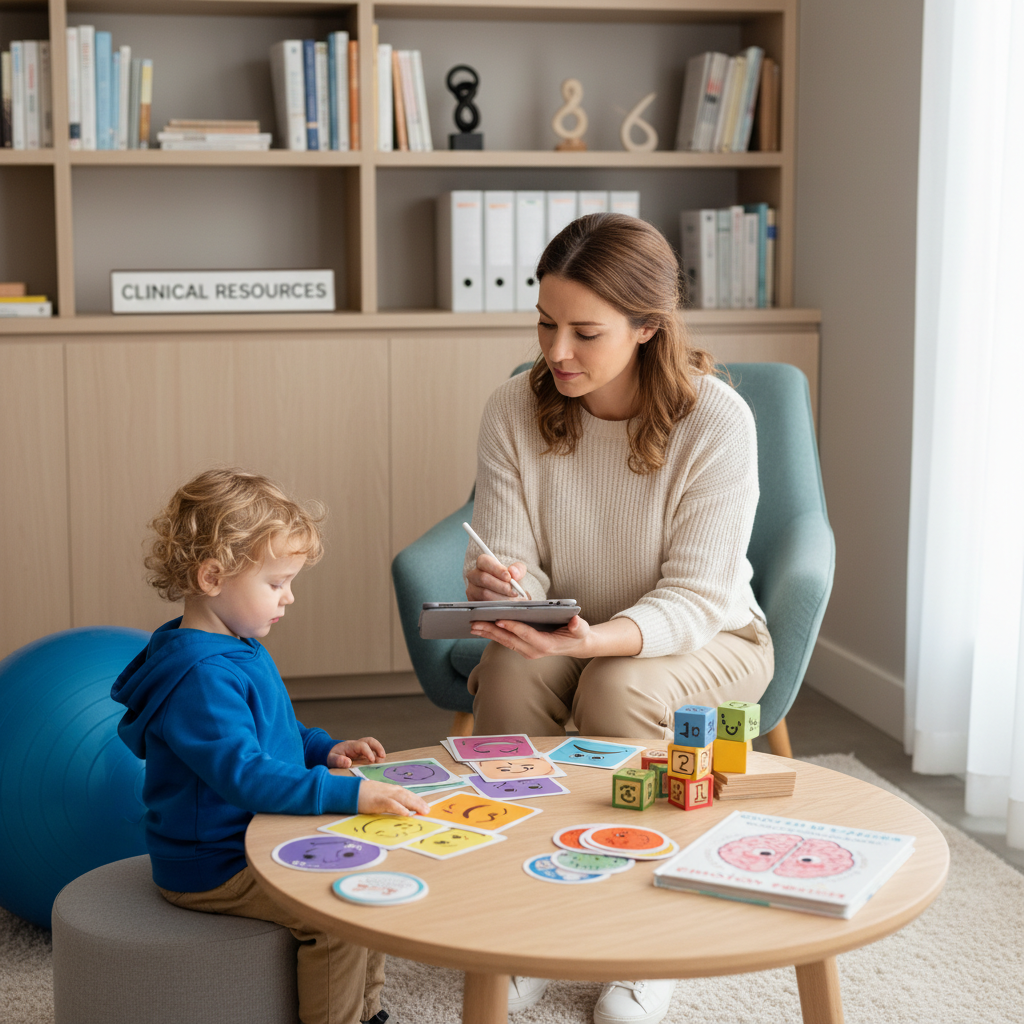
School psychologists are trained professionals who work within educational settings to help students succeed academically, socially, and emotionally. They collaborate with teachers, parents, and administrators to create safe and supportive learning environments.
Their responsibilities typically include conducting assessments, providing counseling, and developing individualized education plans (IEPs) for students with special needs. They also offer interventions to improve students' behavioral and emotional well-being.
Conducting Assessments
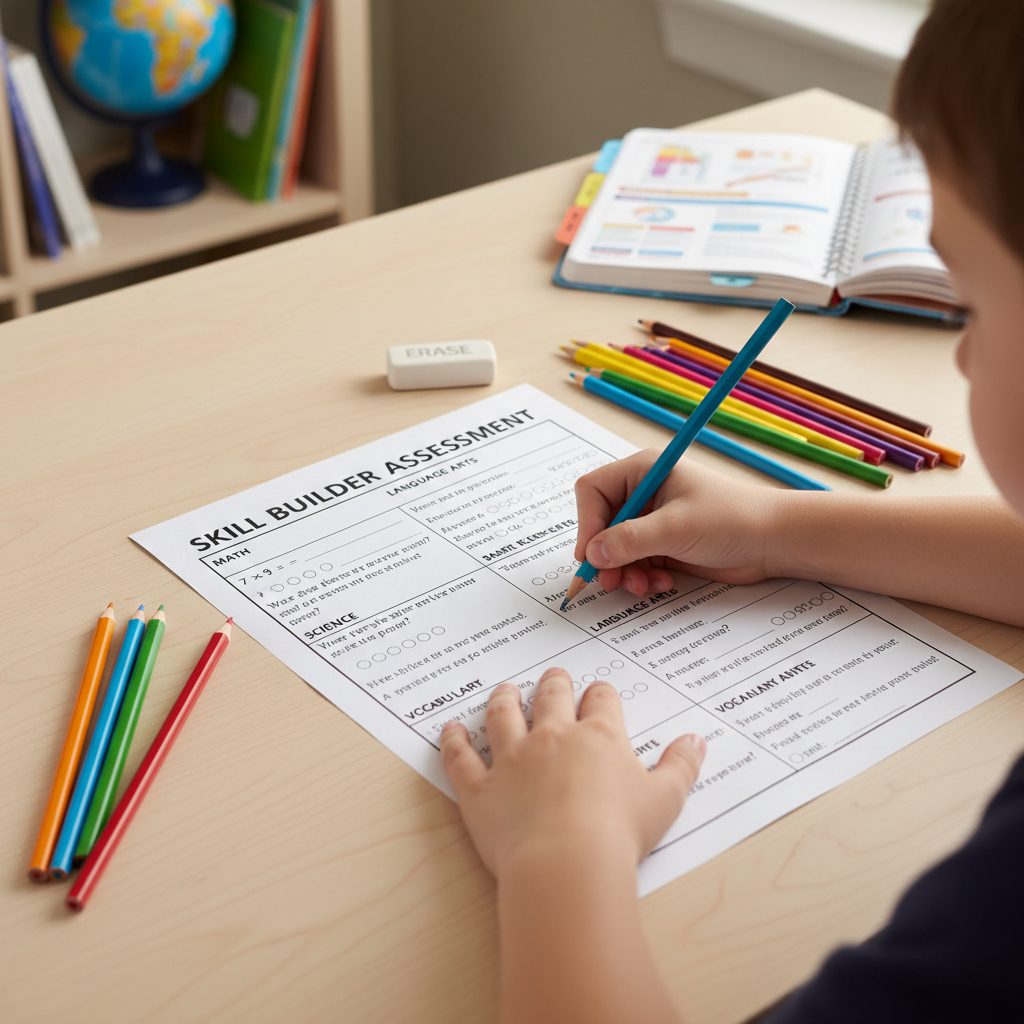
One of the primary roles of a school psychologist is to conduct assessments to identify students' learning and behavioral needs. These assessments can help determine eligibility for special education services and guide the development of personalized interventions.
Supporting Students' Mental Health
School psychologists are crucial in supporting students' mental health. They provide counseling services to help students manage stress, anxiety, and other emotional challenges. By addressing these issues early, school psychologists can help prevent more severe mental health problems from developing.
They also work with teachers to implement classroom strategies that support all students, particularly those facing emotional or behavioral difficulties.

Collaboration with Parents and Teachers
Effective collaboration between school psychologists, parents, and teachers is essential for student success. School psychologists often hold meetings with parents to discuss their child's progress and any concerns. These discussions can lead to the development of targeted strategies to support the child's learning and emotional needs.
By working together, parents and school psychologists can ensure that students receive consistent support at home and school.
When to Reach Out to a School Psychologist
Understanding when to seek the assistance of a school psychologist can be beneficial. Parents should consider reaching out if they notice significant changes in their child's behavior, academic performance, or emotional state. Early intervention can make a significant difference in a child's educational experience.
Additionally, if your child has been diagnosed with a learning disability or emotional disorder, school psychologists can offer valuable insights and support.

The Impact on a Child's Education
School psychologists play a crucial role in enhancing a child's educational experience. By addressing individual needs and fostering a supportive environment, they help students overcome challenges and achieve their full potential.
For parents, understanding the role of a school psychologist can empower them to advocate effectively for their child's needs and collaborate more effectively with the school.
In conclusion, school psychologists are invaluable resources within the educational system. By recognizing their role and collaborating with them, parents can help ensure their child receives the support necessary for a successful academic journey.