Top Questions Parents Ask School Psychologists


Understanding Your Child's Emotional Well-being
Parents often seek guidance from school psychologists regarding their child's emotional health. Concerns about anxiety, depression, and stress are common. School psychologists can provide insights into whether a child is experiencing typical developmental challenges or if professional intervention is necessary. Early identification of emotional issues can lead to more effective support and better outcomes for the child.
Recognizing Learning Disabilities
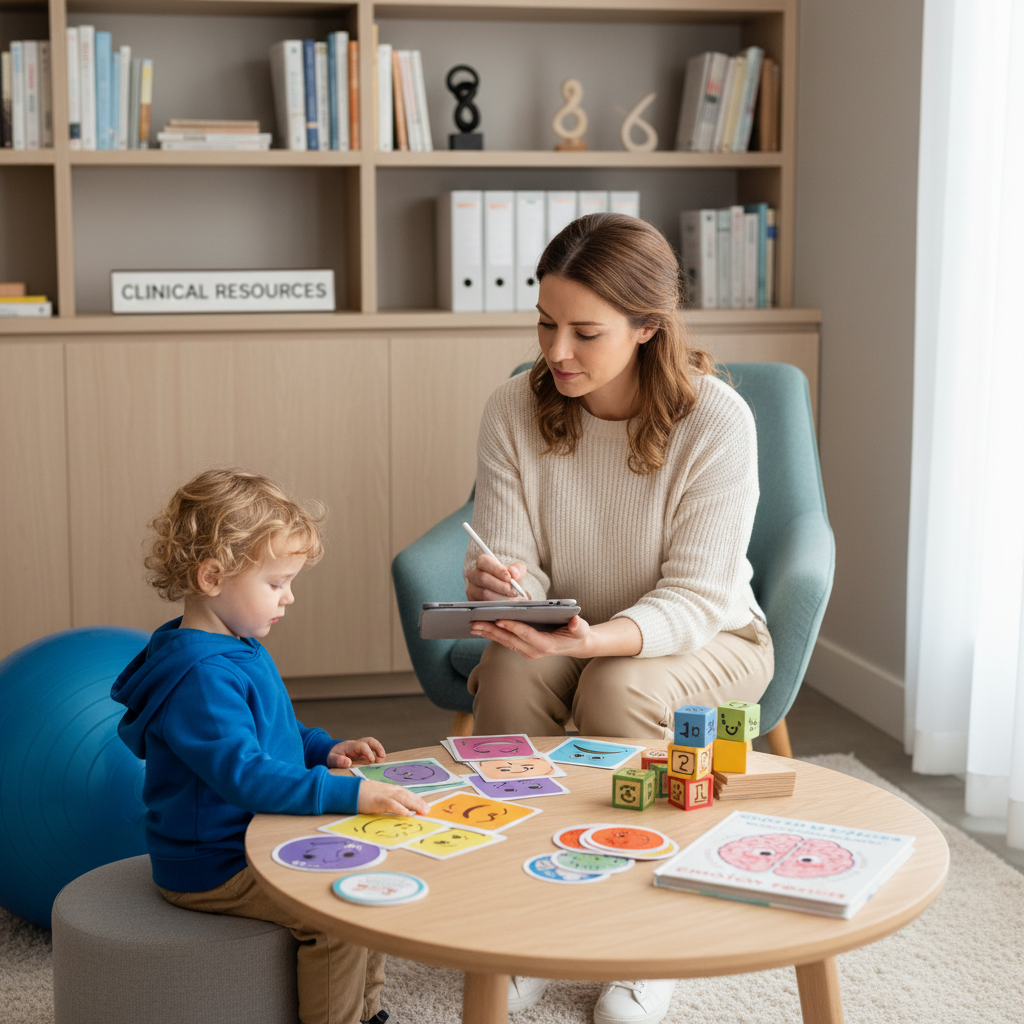
Another frequent question revolves around recognizing and addressing learning disabilities. Parents may notice their child struggling with reading, writing, or mathematics and wonder if it indicates a learning disorder. School psychologists can conduct assessments to determine if a child has a learning disability and recommend appropriate interventions or accommodations to support their educational journey.
Parents should be aware of signs such as difficulty following instructions, trouble with organization, or consistent poor performance in certain subjects. Prompt attention to these issues can make a significant difference in a child's academic success.
Addressing Behavioral Concerns
Behavioral issues, such as aggression, defiance, or withdrawal, are common topics of concern. Parents may feel overwhelmed when dealing with these behaviors and turn to school psychologists for advice. Understanding the root causes of such behaviors can help in developing effective strategies to manage them.
Social Skills and Peer Relationships
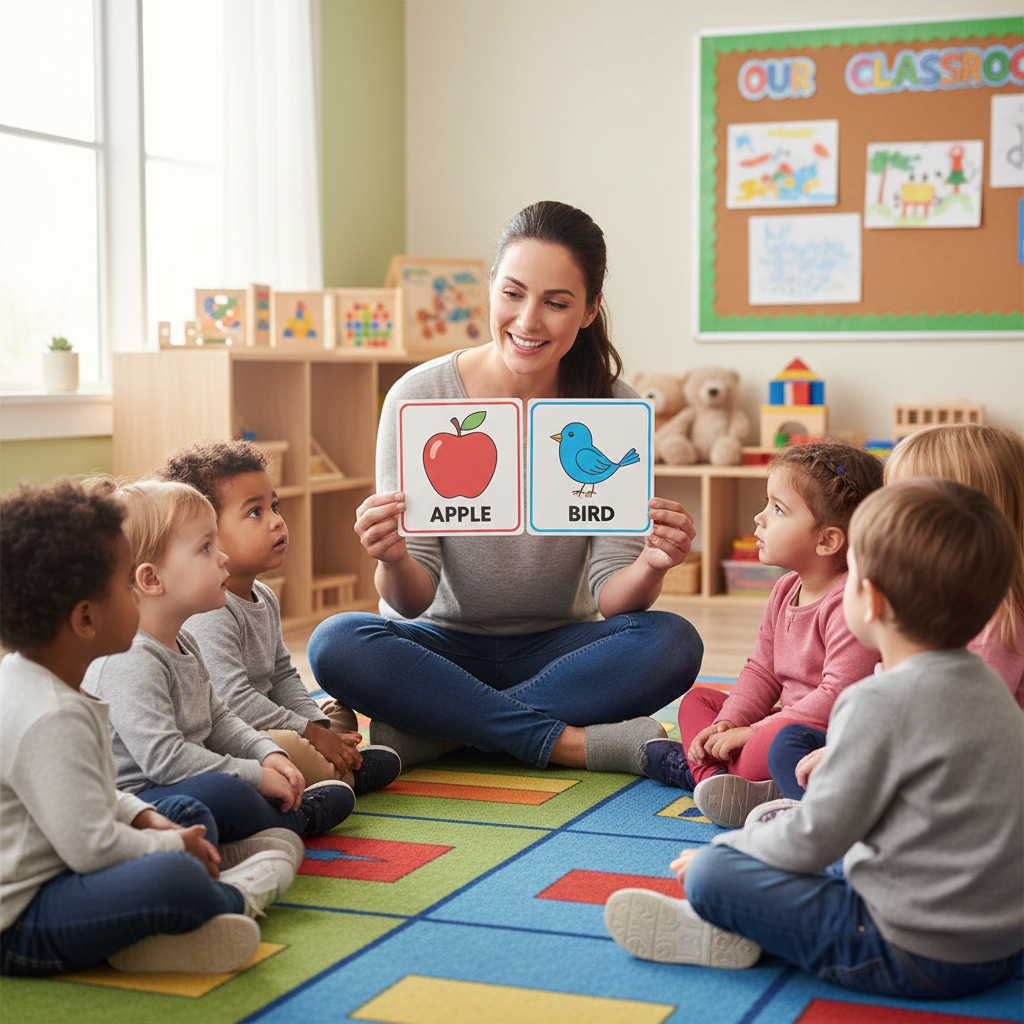
Many parents worry about their child's social skills and ability to form friendships. Questions about how to help a shy or socially awkward child are common. School psychologists can offer strategies to enhance social skills and suggest activities that promote positive peer interactions. Encouraging participation in group activities or clubs can also be beneficial.
Managing Academic Pressure
In today's competitive academic environment, parents are increasingly concerned about the pressure their children face. Questions about balancing academics with extracurricular activities and maintaining mental health are frequent. School psychologists can provide guidance on setting realistic expectations and managing time effectively to reduce stress.

Transitioning Between School Levels
Transitions, such as moving from elementary to middle school, can be challenging for children. Parents often seek advice on how to support their child during these periods. School psychologists can offer strategies to ease transitions, such as familiarizing children with new routines or addressing any specific fears they may have.
Supporting Students with Special Needs
Parents of children with special needs often have specific questions about the resources available to support their child's education. School psychologists can guide parents through the process of obtaining Individualized Education Plans (IEPs) or 504 Plans, ensuring that their child's unique needs are met.
By understanding these common questions and concerns, parents can better collaborate with school psychologists to support their child's development and well-being. Open communication and early intervention are key to helping children thrive both academically and emotionally.