The Role of School Psychologists in Special Education


Understanding the Role of School Psychologists
School psychologists play a crucial role in the educational system, particularly in special education. Their primary responsibility is to support students with diverse learning needs, ensuring they receive the appropriate interventions and accommodations. By collaborating with teachers, parents, and other professionals, school psychologists help create an inclusive environment where every student can thrive.
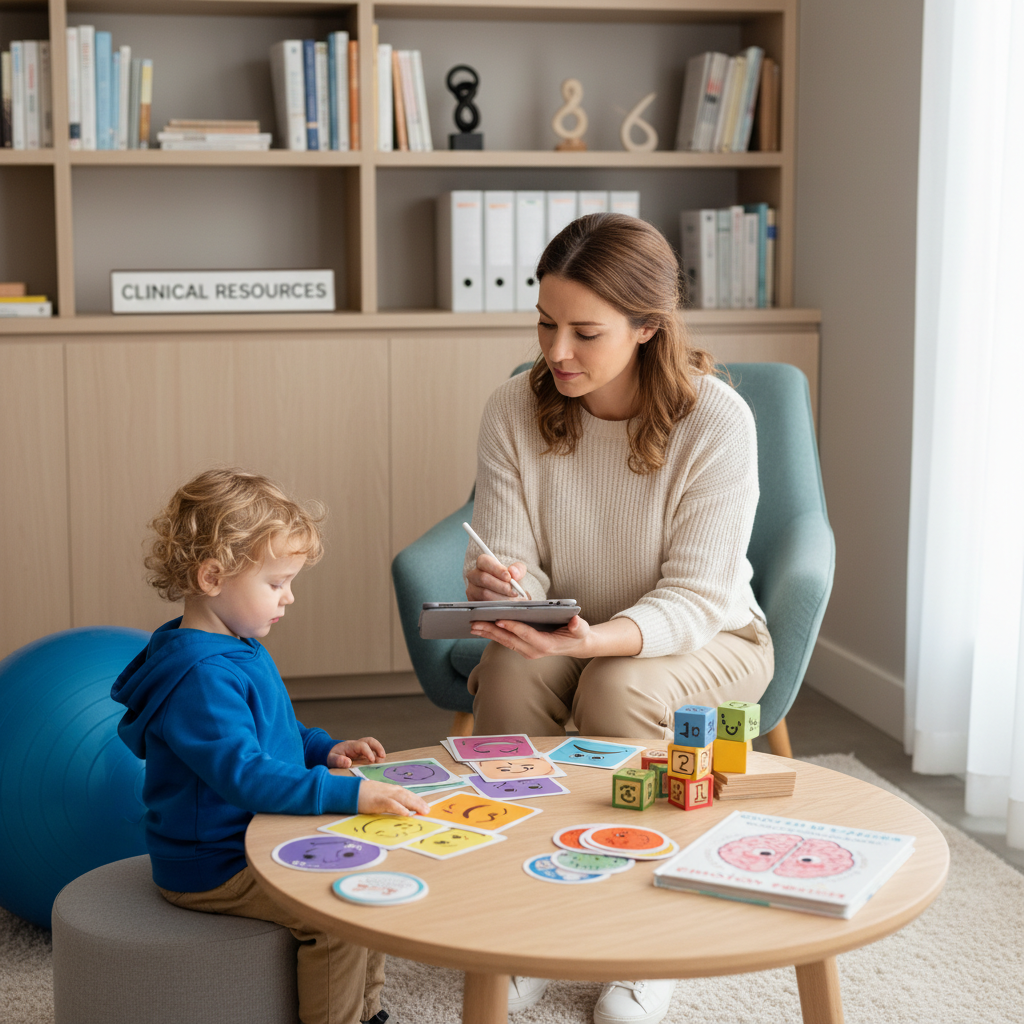
One of the key responsibilities of school psychologists is conducting assessments. These assessments are designed to identify students' strengths and areas that require additional support. Through standardized tests and observations, school psychologists gather valuable data to create individualized education plans (IEPs) that cater to each student's unique needs.
Promoting Mental Health and Well-being
Beyond academic support, school psychologists are also pivotal in promoting mental health and well-being among students. They provide counseling services, helping students navigate social and emotional challenges. By addressing issues such as anxiety, depression, and behavioral problems, school psychologists contribute to a healthier school environment.
Furthermore, school psychologists are often involved in crisis intervention. In situations where students experience trauma or significant life changes, these professionals offer immediate support and guidance, ensuring students receive the help they need to cope effectively.

Collaboration with Educators and Families
Effective collaboration is at the heart of a school psychologist's role. By working closely with educators, school psychologists help design and implement strategies that support diverse learners. This collaboration extends to families as well, as school psychologists often serve as a bridge between the school and home. They provide parents with valuable insights and resources to support their child's educational journey.
Additionally, school psychologists play a role in professional development for teachers. They offer workshops and training sessions to help educators understand the unique needs of students with disabilities and how best to support them in the classroom.

The Impact of School Psychologists in Special Education
The impact of school psychologists in special education cannot be overstated. Their expertise ensures that students with disabilities receive tailored support, allowing them to access the curriculum effectively. By fostering an inclusive environment, school psychologists help break down barriers to learning and promote equity in education.
In summary, school psychologists are essential advocates for students with special needs. Their comprehensive approach to assessment, mental health support, and collaboration ensures that all students have the opportunity to succeed academically and socially. As the demand for inclusive education grows, the role of school psychologists will continue to be vital in shaping supportive and effective educational environments.