Seasonal Strategies for Managing Student Stress


Understanding Seasonal Stress in Students
As the seasons change, students often experience shifts in their stress levels. These changes can be attributed to academic demands, social pressures, and even the weather. Understanding how different seasons affect students is crucial in developing effective strategies to manage stress.

Winter, with its shorter days and colder temperatures, can lead to feelings of isolation and anxiety. Conversely, spring may bring a renewed sense of energy but also increased pressure with exams and end-of-year responsibilities. By recognizing these patterns, educators and parents can better support students throughout the year.
Strategies for Winter
During the winter months, students may need additional support to combat feelings of isolation and fatigue. Encouraging regular physical activity, even indoors, can significantly boost mood and energy levels. Furthermore, establishing a consistent sleep schedule helps maintain mental health.

It's also beneficial to promote social activities that connect students with their peers. Virtual gatherings or study groups can provide the social interaction needed to counteract winter blues. Emphasizing the importance of staying connected can make a significant difference in their well-being.
Spring Renewal and Academic Pressure
As spring arrives, students often face increased academic pressure with exams and project deadlines looming. This period requires effective time management strategies to balance these demands. Creating a structured study schedule can alleviate stress and improve productivity.

Encouraging students to take regular breaks and engage in outdoor activities can also help manage stress. The fresh air and sunshine of springtime offer a natural boost, enhancing both mood and concentration.
Summer Relaxation and Continuing Education
Summer provides an opportunity for relaxation and recuperation, but it's also a valuable time for continued learning. Encouraging students to pursue hobbies or take part in educational camps can maintain intellectual engagement without the pressure of formal schooling.
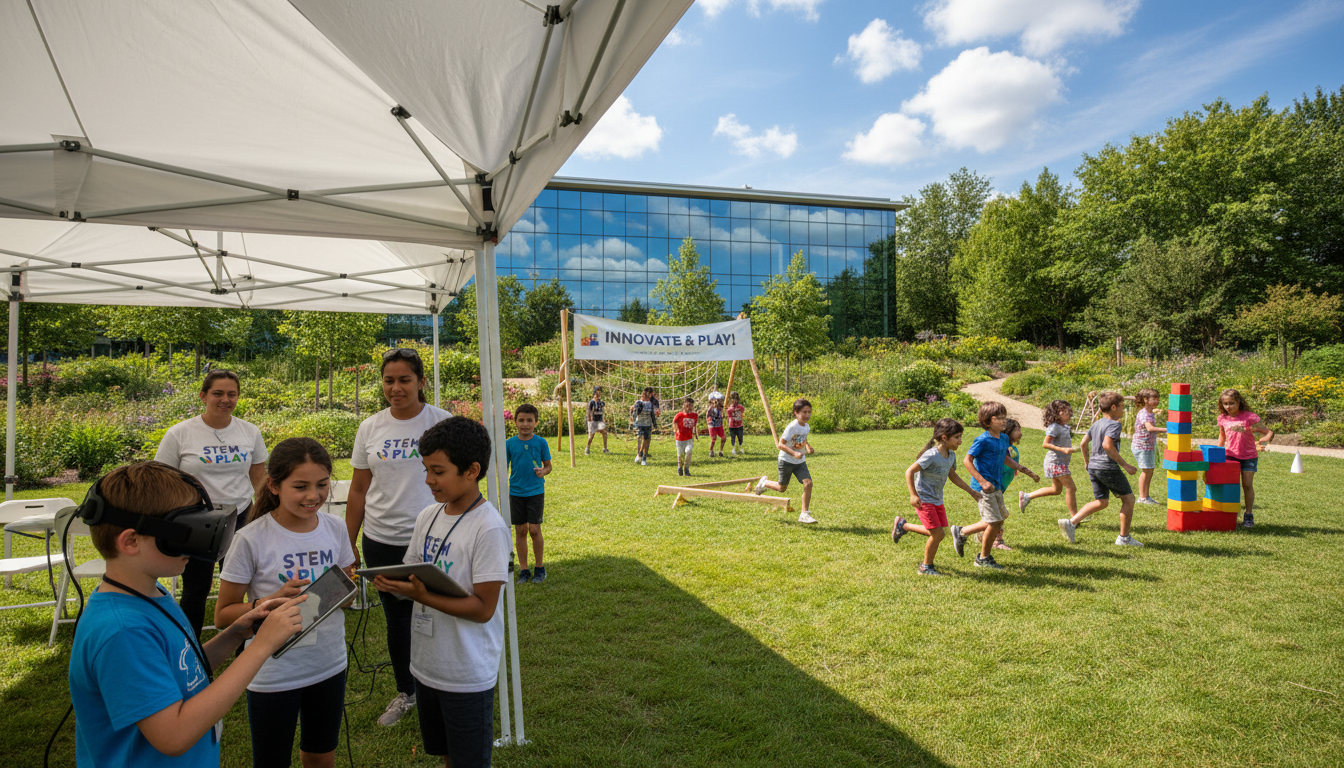
Balancing relaxation with productive activities helps students return to school feeling refreshed and motivated. It's essential to encourage a mix of leisure and learning during these months.
Fall Transition and New Beginnings
Fall signifies a period of new beginnings as students start a new academic year. This transition can be both exciting and daunting. To ease this transition, establishing a routine early on can help students adjust to new schedules and expectations.
Providing guidance on goal-setting can empower students to take control of their learning journey. Encouraging them to set achievable goals fosters a sense of accomplishment and reduces anxiety as they navigate the new year.

By implementing these seasonal strategies, educators and parents can help students manage stress effectively throughout the year. Understanding the unique challenges and opportunities each season presents enables a supportive environment for student success.