Preparing for the New School Year: Mental Health Checklist for Students


Understanding the Importance of Mental Health
As the new school year approaches, students often find themselves juggling excitement and anxiety. While academic preparations are crucial, attending to mental health is equally important. A balanced state of mind can significantly enhance a student's ability to learn and thrive. This mental health checklist is designed to help students navigate the upcoming school year with confidence and resilience.

Establish a Routine
Creating a consistent routine can provide a sense of stability. This involves setting regular times for waking up, studying, and sleeping. A well-structured day reduces stress and improves overall well-being. Students should aim for a routine that balances academic responsibilities with leisure and relaxation.
Sleep Schedule
Adequate sleep is essential for cognitive function and emotional regulation. Students should aim for 7-9 hours of sleep per night. Consistency is key, so try to maintain the same sleep and wake times, even on weekends.

Time Management
Effective time management can alleviate stress and prevent last-minute cramming. Students can use planners or digital apps to schedule their tasks and set priorities. Break tasks into manageable chunks and take regular breaks to maintain focus and productivity.
Build a Support Network
Having a reliable support network is crucial for mental well-being. Students should reach out to family, friends, or counselors when in need. Open communication can provide relief and guidance during challenging times.

Connect with Peers
Building strong relationships with classmates can enhance the school experience. Engage in group activities, clubs, or study groups to foster connections. These relationships can provide emotional support and help alleviate feelings of isolation.
Practice Self-Care
Self-care involves activities that promote physical, emotional, and mental health. Encourage students to engage in activities they enjoy, such as reading, exercising, or meditating. These practices can help reduce stress and improve overall mood.
Mindfulness and Relaxation
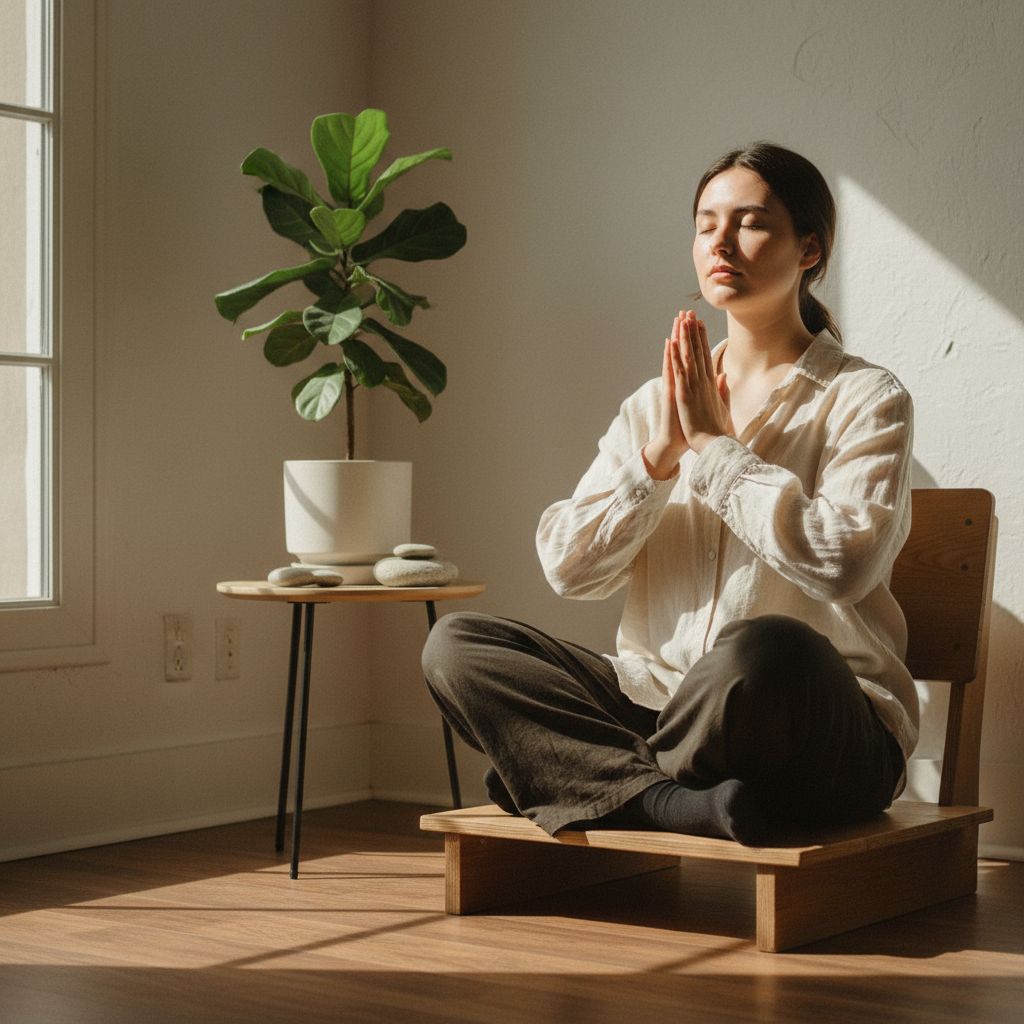
Incorporating mindfulness techniques, such as deep breathing or meditation, can enhance focus and reduce anxiety. Consider setting aside a few minutes each day to practice mindfulness and recharge.
- Breathing Exercises
- Meditation Apps
- Journaling
Seek Professional Help if Needed
If feelings of anxiety or depression become overwhelming, it is important to seek professional help. School counselors, therapists, and mental health professionals can provide the necessary support and tools to navigate these challenges. Remember, asking for help is a sign of strength, not weakness.
By prioritizing mental health, students can set the foundation for a successful and fulfilling school year. This checklist serves as a guide to help students maintain balance and well-being as they embark on their educational journey.