How to Address Common School-Related Anxiety in Children


Understanding School-Related Anxiety
School-related anxiety in children is a common issue that can affect their academic performance and overall well-being. It's important for parents and educators to recognize the signs and address them effectively. By doing so, we can help children develop coping mechanisms and thrive in their school environment.
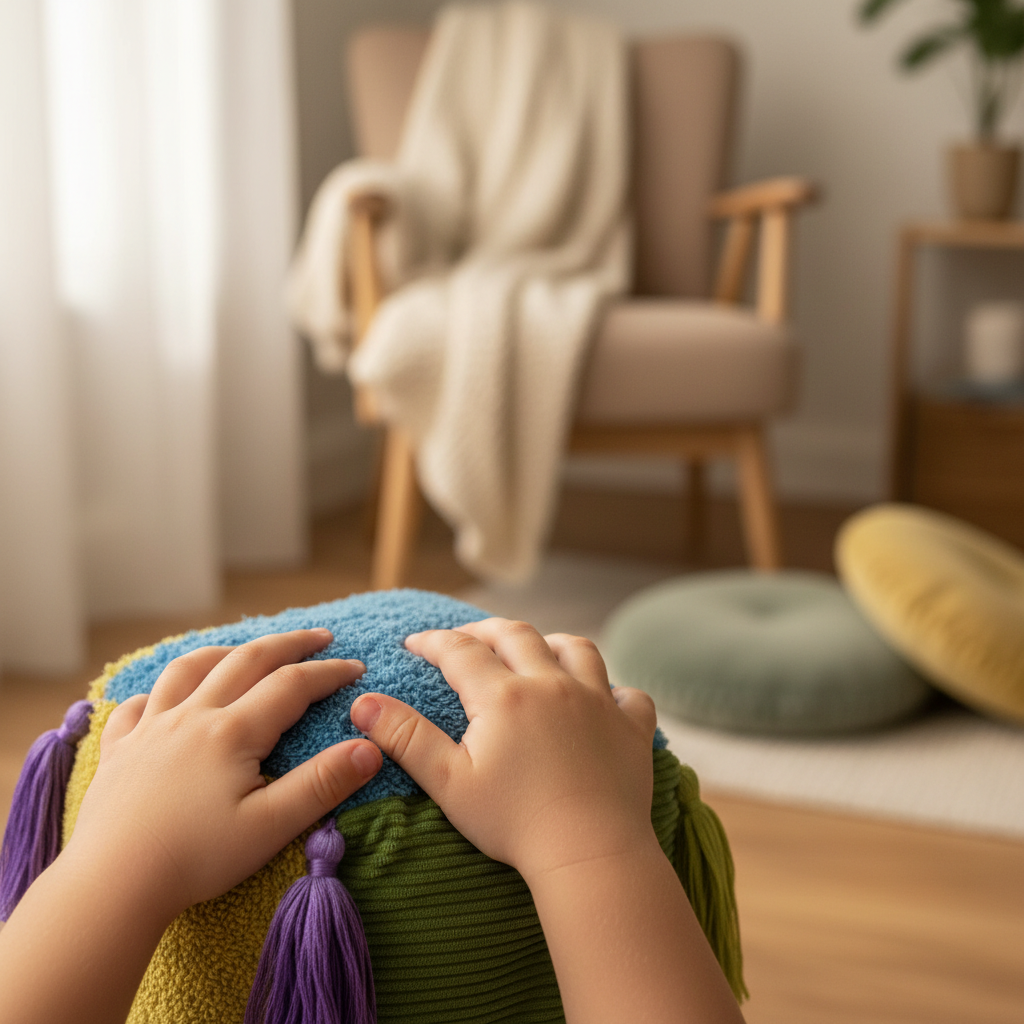
Recognizing the Signs of Anxiety
Children may exhibit various signs of anxiety, such as frequent stomachaches, headaches, or a sudden change in behavior. They might also express a reluctance to go to school or participate in activities. Recognizing these signs early can prevent more serious issues from developing.
Parents and teachers should look for patterns in behavior, such as increased irritability or withdrawal from social interactions. Consistently monitoring these signs is crucial for addressing anxiety effectively.
Communicating Openly
Open communication is key when dealing with school-related anxiety. Encourage children to express their feelings and thoughts without fear of judgment. This helps in understanding their concerns and provides an opportunity to address them directly.

Regularly check in with your child and ask specific questions about their day. This not only shows that you care but also helps them articulate their anxieties, which can be the first step towards managing them.
Creating a Supportive Environment
A supportive environment at home and school can significantly reduce anxiety levels. Ensure that children feel safe and supported by fostering a positive atmosphere. Encourage them to share their experiences and feelings openly.
- Establish a routine to provide stability.
- Encourage participation in extracurricular activities.
- Maintain open lines of communication with teachers.
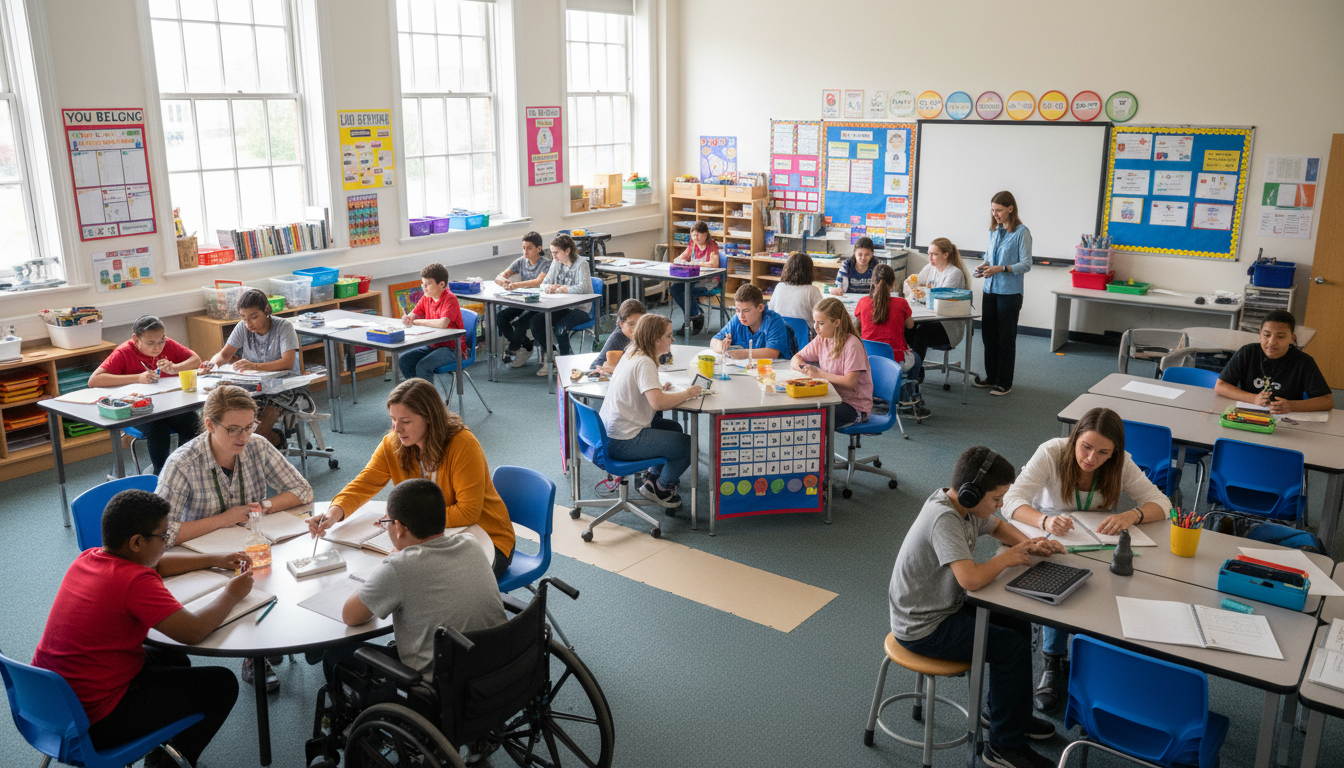
Teaching Coping Strategies
Equipping children with coping strategies can empower them to manage anxiety on their own. Techniques such as deep breathing, mindfulness, and positive visualization can be particularly effective.
Introduce these strategies gradually and practice them regularly. Reinforce the idea that it's okay to feel anxious and that there are ways to handle these feelings constructively.
Seeking Professional Help
If anxiety persists despite your efforts, it might be time to seek professional help. A counselor or psychologist can provide specialized support and guidance tailored to your child's needs.
Remember, seeking help is a positive step towards ensuring your child's mental health and well-being. Professional intervention can offer new perspectives and solutions for managing anxiety effectively.