How School Psychologists Can Address Common Student Challenges


Understanding the Role of School Psychologists
School psychologists play a critical role in the educational environment, helping to address a variety of challenges that students may face. They are trained professionals skilled in both psychology and education, enabling them to support students' mental health, learning, and behavior.
These professionals work collaboratively with teachers, parents, and administrators to create safe, healthy, and supportive learning environments. Their expertise is crucial in promoting students' emotional and academic development, ensuring that each child reaches their full potential.
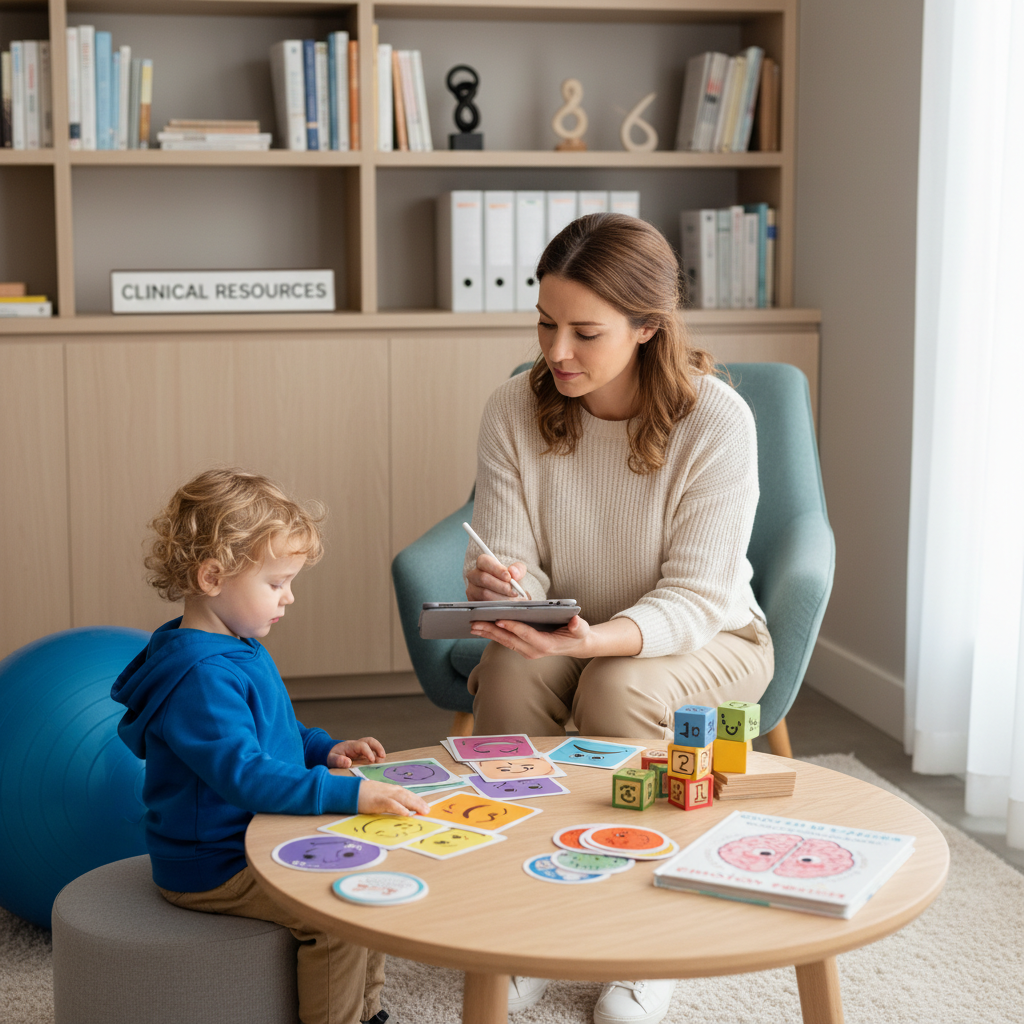
Identifying and Supporting Learning Disabilities
One of the primary challenges school psychologists address is learning disabilities. By conducting comprehensive assessments, they can identify specific learning issues that may hinder a student's academic progress. This early identification allows for the development of tailored intervention strategies that cater to the unique needs of each student.
School psychologists collaborate with educators to implement individualized education plans (IEPs) and provide resources that help students overcome their learning obstacles. This collaborative approach ensures that students receive the necessary support to thrive in their educational journey.

Addressing Emotional and Behavioral Issues
Emotional and behavioral problems can significantly impact a student's ability to succeed in school. School psychologists are equipped to manage these issues by providing counseling and developing behavioral intervention plans. They work with students to help them manage stress, anxiety, and other emotional challenges.
Through individual or group counseling sessions, school psychologists offer students a safe space to express their feelings and develop coping strategies. This support is essential in fostering resilience and emotional well-being.

Promoting Positive School Climate
Creating a positive school climate is essential for student success. School psychologists contribute by promoting inclusivity and respect among students and staff. They often lead initiatives that focus on anti-bullying, diversity, and social-emotional learning, helping to cultivate an environment where all students feel valued and understood.
These efforts not only improve the overall school atmosphere but also enhance students' academic performance and interpersonal skills, laying the groundwork for a supportive educational community.
Facilitating Crisis Intervention
In times of crisis, school psychologists are vital in providing immediate support and intervention. Whether it's a natural disaster, a tragic event, or a school-wide emergency, they coordinate with school staff to ensure a swift and effective response.
By offering psychological first aid and organizing crisis response teams, school psychologists help students and staff navigate difficult situations, promoting healing and recovery within the school community.

Collaborating with Families and Communities
School psychologists extend their support beyond the classroom by engaging with families and the broader community. They provide parents with resources and guidance to support their children's education and well-being at home. This collaboration strengthens the home-school connection, enhancing student outcomes.
Furthermore, by working with community organizations, school psychologists can connect families with additional resources and services, creating a comprehensive support network for students.
In conclusion, school psychologists are indispensable in addressing the myriad challenges students face. Their multifaceted role ensures that every child has the opportunity to succeed emotionally, socially, and academically, fostering a brighter future for all.