Common Challenges Faced by School Psychologists and How to Overcome Them


Understanding the Role of School Psychologists
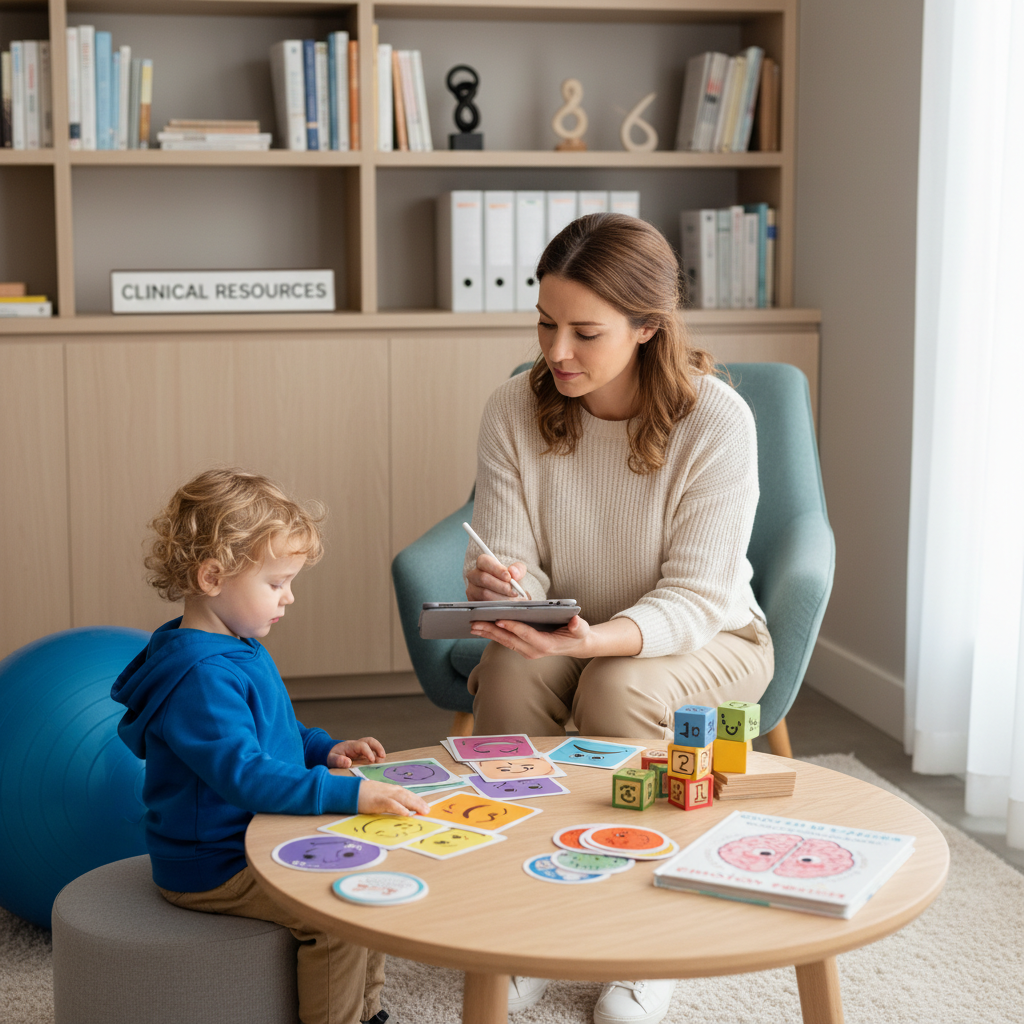
School psychologists play a crucial role in fostering a supportive educational environment. They assess students' needs, provide counseling, and collaborate with educators and parents. Despite their importance, these professionals face numerous challenges that can impact their effectiveness.
High Student-to-Psychologist Ratios
One of the most significant challenges is the high student-to-psychologist ratio. This can lead to burnout and reduced effectiveness. School psychologists often find themselves juggling numerous cases, which can be overwhelming and stressful.
To overcome this, schools can advocate for hiring more professionals and utilize group counseling sessions when appropriate. Additionally, incorporating digital tools for preliminary assessments can save time and streamline processes.
Lack of Resources
Many school psychologists work in environments with limited resources. This can include insufficient testing materials, outdated technology, and a lack of private spaces for counseling sessions.
Overcoming these obstacles requires creativity and advocacy. Schools can seek grants and partnerships with local organizations to secure better resources. Additionally, developing a strong network with other professionals can provide access to shared tools and support.

Addressing Diverse Student Needs
Students come from various backgrounds, each with unique needs. Addressing these diverse requirements can be challenging, especially when cultural and language barriers exist. Effective communication and understanding are essential.
School psychologists can benefit from ongoing cultural competence training and collaboration with community leaders. Utilizing translation services and culturally relevant materials can also enhance engagement and understanding.
Managing Confidentiality and Ethical Concerns
Maintaining confidentiality while managing sensitive information is another significant challenge. School psychologists must navigate complex ethical situations, balancing the need for student safety with privacy concerns.
To address these challenges, clear protocols and regular training on ethical standards are essential. Establishing a transparent communication channel with students and families helps build trust and understanding.

Balancing Administrative Duties
Administrative tasks often consume a large portion of a school psychologist’s time. This can detract from their primary role of supporting students. Finding a balance between these responsibilities is crucial.
Efficient time management strategies, delegation of non-essential tasks, and the use of technology for scheduling and documentation can alleviate this burden. Schools should strive to minimize unnecessary paperwork to allow psychologists to focus on direct student interaction.
In conclusion, while school psychologists face significant challenges, strategic approaches and community support can help them overcome these obstacles. By addressing these issues, schools can ensure that every student receives the psychological support they need to succeed.